
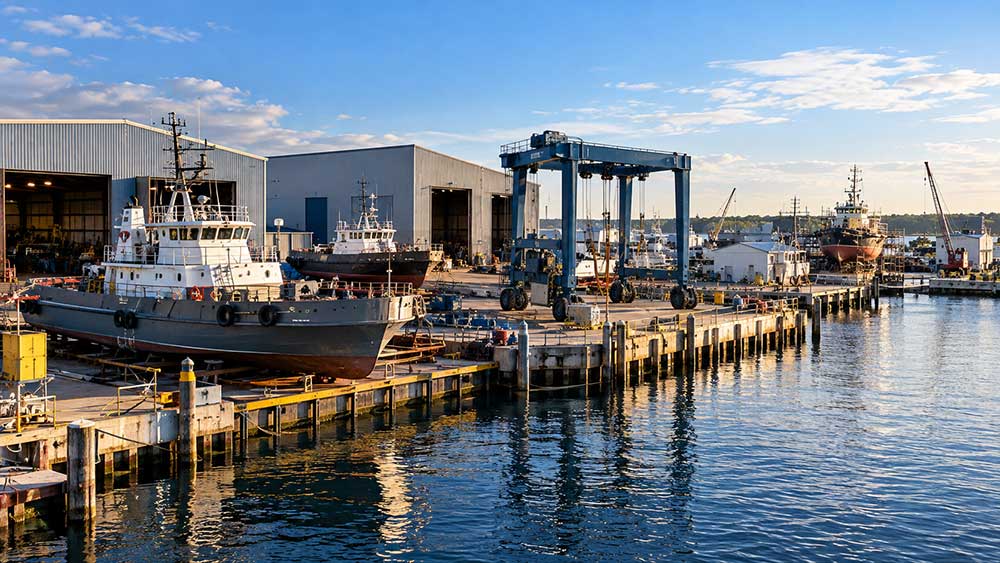
Protecting the Vessel Is Only Part of the Risk
Commercial vessel operations create exposures that extend beyond physical damage to the vessel itself. Understanding the relationship between Hull coverage and Protection & Indemnity insurance can help vessel owners build a marine insurance program around both their assets and operational liability exposures.
Whether a vessel is used for commercial transportation, service operations, marine construction or another business purpose, its insurance needs can be considerably different from those associated with ordinary commercial property. A vessel operates in a changing environment, carries equipment and crew, interacts with other vessels and facilities, and can create liability exposures while underway or performing its work.
For that reason, commercial marine insurance programs frequently address both the physical vessel and liabilities arising from its operation. Two important components are commonly referred to as Hull insurance and Protection & Indemnity (P&I) insurance. Although they work together within a marine insurance program, they address different types of risk.
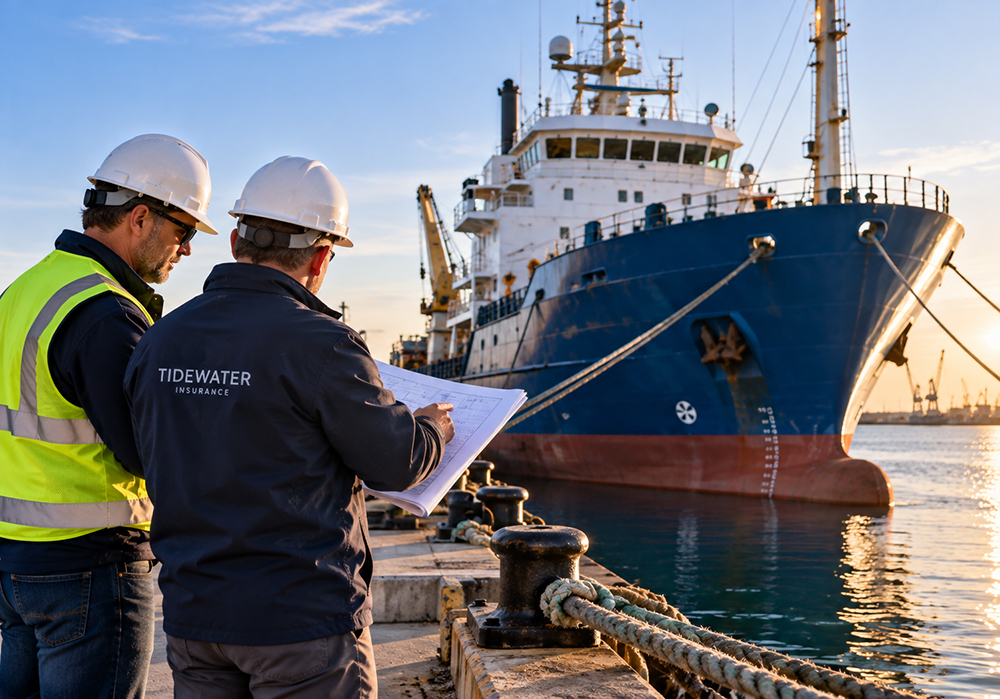
Understanding Hull & P&I Coverage
A commercial vessel represents a significant physical asset, but damage to the vessel is only one potential source of financial loss. Vessel owners also have to consider liabilities connected to crew, passengers, third parties, property and the vessel's overall operations.
This distinction is why Hull and P&I coverage should be viewed as complementary parts of a broader marine insurance program rather than interchangeable policies.
Commercial Hull Insurance
Hull insurance is designed around physical loss or damage to the insured vessel, subject to the terms, conditions, exclusions and limits of the policy.
The vessel's value, age, construction, condition, equipment, operating territory and intended use can all be important when evaluating the appropriate insurance program.
Protection & Indemnity
Protection & Indemnity insurance addresses certain liability exposures arising from vessel ownership and operation, subject to the specific policy terms and conditions.
Depending on the operation and policy, those exposures may involve injury, third-party property, crew-related liabilities and other responsibilities associated with commercial vessel operations.
Why the Vessel's Operation Matters
Two vessels that appear similar may present very different insurance risks. A vessel's work, where it operates, who operates it, the equipment carried aboard and the contractual responsibilities of the owner can all influence the exposures that need to be considered.
This makes the initial risk evaluation an important part of marine insurance program design. Rather than looking only at the vessel's value, Tidewater Insurance works to understand how the vessel is actually being used and the liabilities associated with the operation.
Commercial Vessel Operations
Vessel type, operating territory, crew, equipment, commercial use, contracts and liability exposures can all influence how a marine insurance program should be structured.
What Vessel Owners Should Consider
MARINE COVERAGE REVIEW:
Hull and P&I should be evaluated as part of the vessel owner's
broader operation. Vessel value, navigation territory, vessel use,
crew exposure, contracts, liability limits and related business
operations can all affect the insurance program.
Building a More Complete Marine Insurance Program
Hull and P&I may form important parts of a commercial vessel insurance program, but they are not necessarily the only exposures a marine business needs to consider. Depending on the operation, additional liability limits, pollution exposures, property, equipment and other specialized marine risks may also need to be evaluated.
Tidewater Insurance Agency works with commercial marine clients to evaluate these exposures and develop insurance programs around their actual operations. Learn more about our Marine Insurance solutions for commercial vessels, marine facilities and specialized maritime risks.
Commercial Vessel Hull & P&I Insurance FAQ
What is commercial vessel Hull insurance?
Hull insurance is designed to address covered physical loss or damage to an insured commercial vessel. The exact protection depends on the terms, limits, conditions and exclusions of the individual policy.
What does P&I mean in marine insurance?
P&I stands for Protection & Indemnity. It is a form of marine liability insurance used to address certain liabilities associated with vessel ownership and operation, subject to the provisions of the policy.
Do vessel owners need both Hull and P&I insurance?
The appropriate coverage depends on the vessel and its operation. Hull and P&I address different categories of exposure, so a marine insurance professional can evaluate how each applies to a particular commercial vessel operation.
What information is important when reviewing vessel insurance?
Vessel value, age, construction, condition, intended use, navigational area, crew and operational responsibilities are among the factors that may be considered when evaluating a commercial vessel insurance program.
Discuss Your Commercial Vessel Insurance Needs
Talk with Tidewater Insurance about Hull, P&I and other coverage considerations for your commercial vessel and marine operations.