
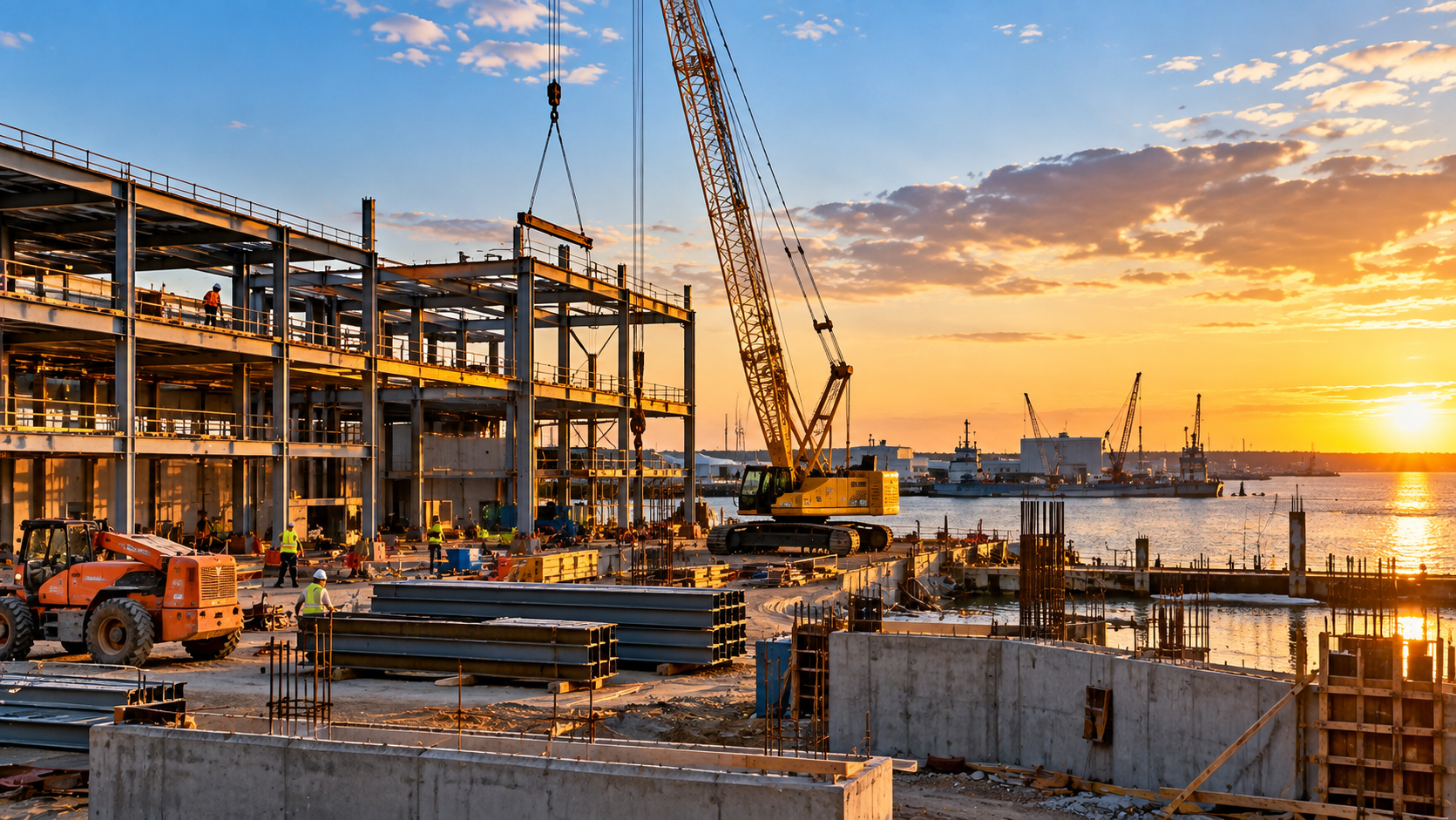
Construction Risk Extends Far Beyond the Jobsite
Construction companies operate in an environment where jobsite hazards, employees, subcontractors, equipment, vehicles, contracts, property and third-party liability exposures can intersect quickly. For general contractors, specialty contractors, developers and construction firms, building an effective insurance program requires looking beyond individual policies and understanding the complete operation.
A serious construction loss can affect more than one part of a business. An employee injury, damaged structure, equipment loss, vehicle accident, subcontractor claim or jobsite incident may involve multiple parties, contractual responsibilities, project delays and significant financial exposure.
Construction risk also changes as the company changes. Larger projects, additional employees, new equipment, expanded territories, different types of work and new contractual requirements can all affect the insurance protection a contractor should consider.
Coverage for Complex Construction Risks
Construction risk varies considerably from one contractor to another. The work being performed, project values, locations, employees, subcontractors, equipment, vehicles, contracts and customers can all influence the insurance program.
Rather than evaluating general liability, property, workers' compensation, vehicles and equipment independently, contractors should consider how these exposures work together across the entire business.
Commercial General Liability for Contractors
Commercial General Liability is a fundamental part of many construction insurance programs. Contractors can face claims involving bodily injury, property damage, completed operations, jobsite incidents and other third-party exposures arising from their work.
The specific work performed matters. An excavation contractor, roofing company or structural contractor can present a very different liability profile from a contractor focused on interior renovations or finishing work.
Workers' Compensation & Employee Exposure
Construction employees may work around heights, heavy equipment, power tools, machinery, vehicles, excavation, electrical systems, moving materials and constantly changing jobsite conditions.
Payroll, employee classifications, job duties, safety procedures, subcontractor relationships and the states where employees work can all influence workers' compensation exposure.
Construction Operations May Include
General Contractors • Commercial Contractors • Residential Contractors • Developers • Excavation & Site Contractors • Concrete Contractors • Electrical Contractors • Plumbing Contractors • HVAC Contractors • Roofing Contractors • Paving Contractors • Steel & Structural Contractors • Specialty Trades and other construction operations.
Builder's Risk & Projects Under Construction
A construction project can represent a substantial financial investment before the work is complete. Buildings, materials, fixtures and equipment may be exposed to fire, wind, theft, vandalism and other causes of loss during construction.
Builder's Risk insurance can provide property protection for covered projects during construction, subject to the specific policy terms, exclusions, limits, deductibles and coverage period.
Project value, construction type, location, expected completion date, existing structures, materials in transit or temporary storage and responsibilities established within the construction contract can all affect the coverage needed.
Contractors Equipment & Inland Marine
Construction companies frequently depend on equipment that moves from one jobsite to another. Excavators, loaders, skid steers, generators, compressors, lifts, tools and other mobile equipment can represent a significant investment.
Because this property frequently operates away from the contractor's primary business location, contractors equipment and inland marine coverage can play an important role in protecting covered mobile equipment, tools and property.
CONSTRUCTION COVERAGE REVIEW:
A contractor's insurance program should reflect the work the company
performs today. New services, larger projects, additional employees,
more equipment, expanded territories, new contracts or increased
subcontracting can materially change the risk even when the company
itself has not changed ownership or location.
Commercial Auto & Fleet Exposure
Construction businesses frequently depend on trucks, vans, trailers, service vehicles and other commercial vehicles to move employees, equipment and materials between jobsites.
Vehicle size, use, driver history, operating radius, towing, equipment carried and the number of vehicles within the fleet can all influence commercial auto exposure.
Contracts Can Transfer Significant Risk
Construction contracts can play a major role in determining who assumes responsibility when something goes wrong. Agreements may contain indemnification provisions, additional insured requirements, waivers of subrogation, minimum insurance limits, primary and noncontributory requirements or completed operations obligations.
The insurance requirements for one project may be very different from another. Contractors should understand those requirements before work begins and review contractual obligations with appropriate legal and insurance professionals.
Subcontractors Add Another Layer of Exposure
Many contractors rely heavily on subcontractors. While subcontracting can expand a company's capabilities and workforce, it can also create additional insurance and contractual considerations.
The type of work being subcontracted, subcontractor insurance limits, certificates of insurance, contractual agreements, additional insured requirements and responsibility for completed work can all affect the general contractor's risk.
Important Areas Contractors Should Review
Construction insurance is highly dependent on the individual business and the work being performed. A useful insurance review should examine both current operations and how the company has changed since its existing program was established.
Completed Operations Risk Continues After the Job Is Finished
A contractor's liability exposure does not necessarily end when the crew leaves the jobsite. Claims involving completed work can arise after a project has been finished and turned over to the owner.
The nature of the work, project size, contractual responsibilities and applicable policy terms can all affect completed operations exposure.
Excess & Umbrella Liability Protection
Construction losses can involve significant severity, particularly when an incident causes serious bodily injury, major property damage, multiple claimants or losses affecting a large commercial project.
Excess or umbrella liability coverage can provide additional limits above certain underlying liability policies, subject to the terms and conditions of the coverage. Project owners and general contractors may also require higher liability limits within construction contracts.
Construction Insurance Built Around the Contractor
There is no single insurance program that fits every construction business. A commercial general contractor, excavation company, roofing contractor, concrete company, developer and specialty trade contractor may all face different combinations of operational, contractual, property, employee and liability risk.
The goal is not simply to have multiple policies. The more important question is whether those policies reflect the contractor's actual operations, contractual responsibilities, assets, employees and potential severity of loss.
Tidewater Insurance Agency works with contractors and construction businesses to evaluate these exposures and develop insurance programs around their actual operations. Learn more about our Construction Insurance solutions for contractors, construction companies, developers and specialty trades.
Construction Insurance for Contractors FAQ
What insurance coverage should a contractor consider?
Coverage depends on the contractor's operation, but common considerations include commercial general liability, workers' compensation, commercial auto, contractors equipment, inland marine, Builder's Risk, property and excess or umbrella liability.
Why is Builder's Risk important during construction?
Projects under construction can be exposed to property losses before completion. Builder's Risk can provide protection for covered property during construction, subject to the terms and conditions of the policy.
Do subcontractors affect a contractor's insurance exposure?
Yes. Subcontractor operations, insurance limits, certificates, contracts and additional insured requirements can all affect the general contractor's overall risk and insurance responsibilities.
When should a contractor review its insurance program?
Contractors should consider a review when projects become larger, operations change, payroll or subcontractor costs increase, equipment or fleet values change, new territories are entered or contract requirements become more complex.
Review Your Construction Insurance Program
Talk with Tidewater Insurance about liability, workers' compensation, equipment, Builder's Risk, commercial auto and other coverage considerations for your construction operation.